
Data
Botanical name: Iris sibirica
German name: Siberian iris
Family: Iridaceae (Irisfamily )
Flowering time: May to June
Flowers: Blue-violet
Foliage: Summer green
Growth habit: Perennial, up to 100 cm high
Origin: Europe / Western Siberia
Plant details
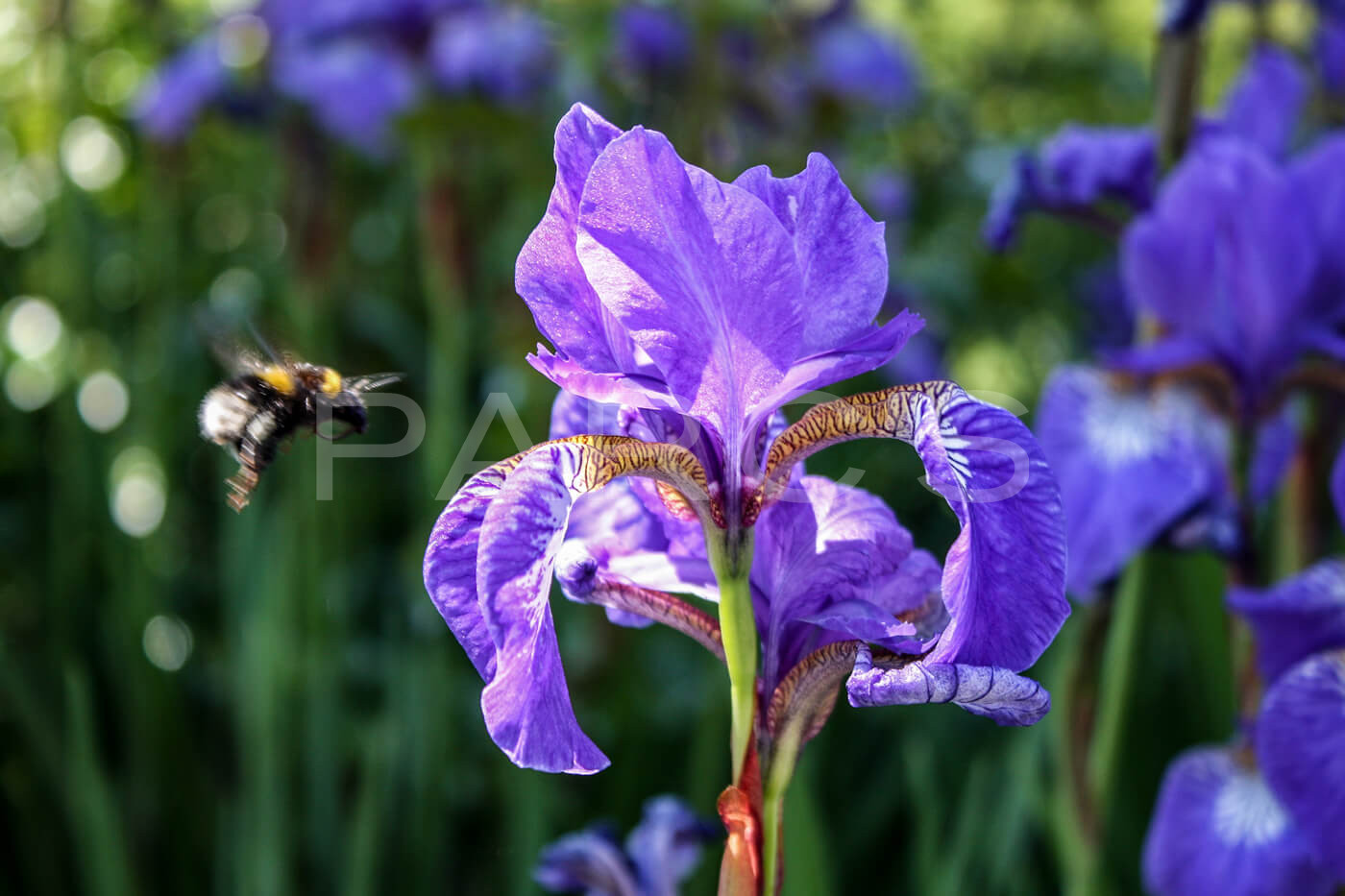
Iris sibirica is a deciduous perennial that impresses with elegant violet-blue flowers. Named after the Greek goddess of the rainbow, the iris adds pretty accents to the garden with its attractive blooms. The beautifully shaped flowers of the Siberian iris attract numerous insects from May to June. The three partial flowers form into a fancy flower shape. Outside of the flowering season, Iris sibirica stands out for its graceful leaves: The tightly growing and narrow leaves gradually taper to resemble an ornamental grass or reed. Easy to care for and hardy, Siberian iris loves sun, but also thrives in partial shade. Iris sibirica prefers a moist and well-drained soil, but it can also cope with a short dry period.
Use in design
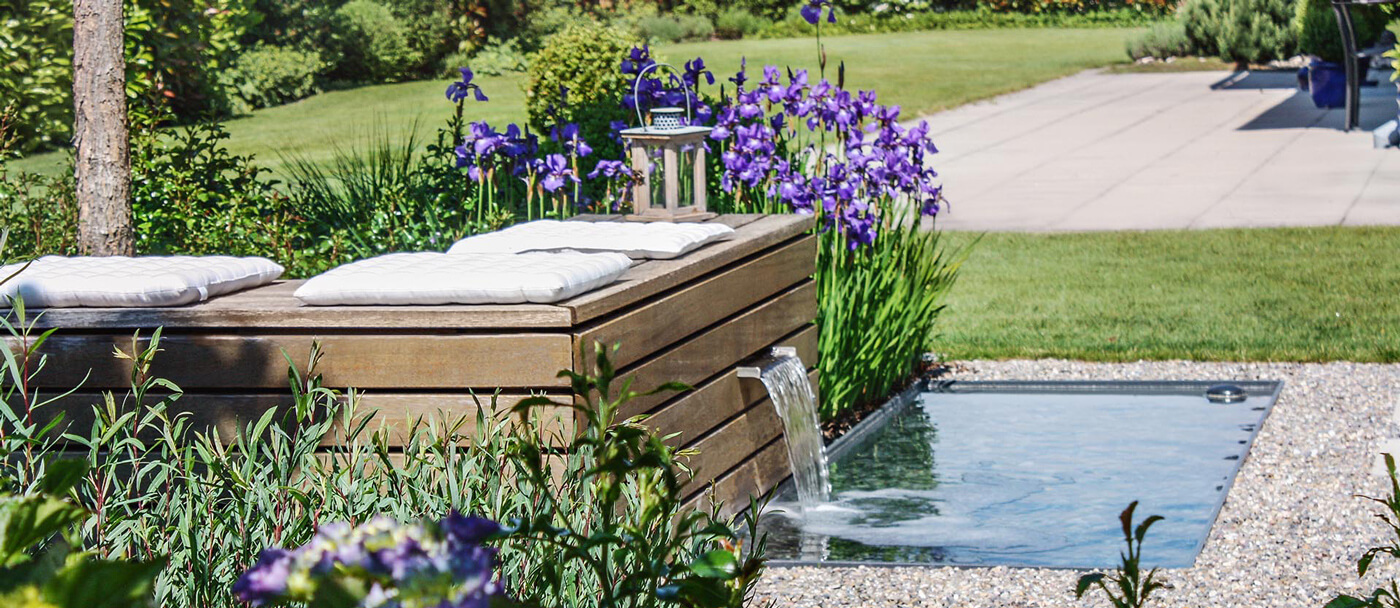
Iris sibirica fits into any perennial bed and adds pretty splashes of color to the garden during the blooming season. Because of its preference for moist soil, Siberian iris is an excellent fit for the edge of a pond or in a marsh bed. In combination with later-flowering perennial plants, the impressive flowers of Iris sibirica are given their grand entrance. After flowering, other perennial plants set new highlights with their flowers. Planted in large numbers, Iris sibirica looks particularly impressive. Our plant of the month is not only a real eye-catcher, but can also be playfully combined with many perennial plants.